Why Bother With Water Heater Maintenance?
We get it — maintaining your water heater is about as exciting as watching kelp dry. But here's the thing: a little annual maintenance can add 3-5 years to your water heater's life and keep it running efficiently enough to save you real money on your PG&E bill, which is why Santa Cruz's top-rated water heater experts recommend scheduling it every year.
Think of it like waxing your surfboard. You don't technically have to do it, but everything works a lot better when you do. And unlike surfboard wax, water heater maintenance can prevent thousands of dollars in emergency repairs and water damage.
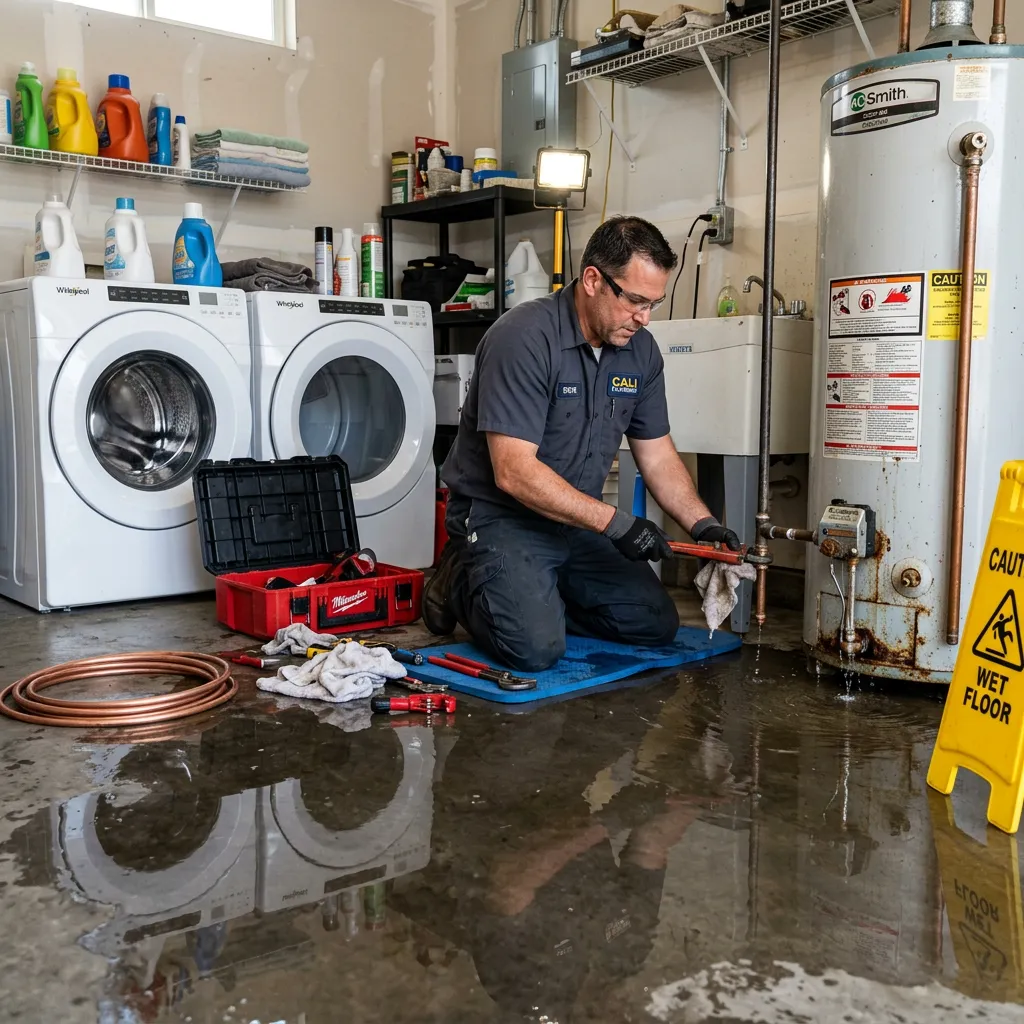
The Annual Maintenance Checklist
Here's what we do during a professional maintenance visit, and which tasks you can tackle yourself if you're feeling handy.
1. Flush the Tank (DIY-Friendly)
Sediment builds up at the bottom of your tank over time. In Santa Cruz, our water carries enough minerals to create a crusty layer that makes your heater work harder and wear out faster.
How to do it yourself:
- Turn off the gas or electricity to your water heater.
- Connect a garden hose to the drain valve at the bottom of the tank.
- Run the hose outside or to a floor drain.
- Open the drain valve and let the water flow until it runs clear (usually 5-10 minutes).
- Close the valve, disconnect the hose, and turn your heater back on.
Do this once a year. Twice if you live in an area with harder water, like parts of Scotts Valley or Watsonville.
2. Test the Pressure Relief Valve (DIY-Friendly)
The temperature and pressure (T&P) relief valve is a safety device that prevents your tank from becoming a very expensive, very dangerous pressure cooker. Testing it takes 30 seconds:
- Place a bucket under the discharge pipe.
- Lift the lever on the T&P valve for 5 seconds, then release.
- Water should flow freely and stop when you release. If it drips, sticks, or does nothing, call us — the valve needs replacing.
3. Check the Anode Rod (Call a Pro)
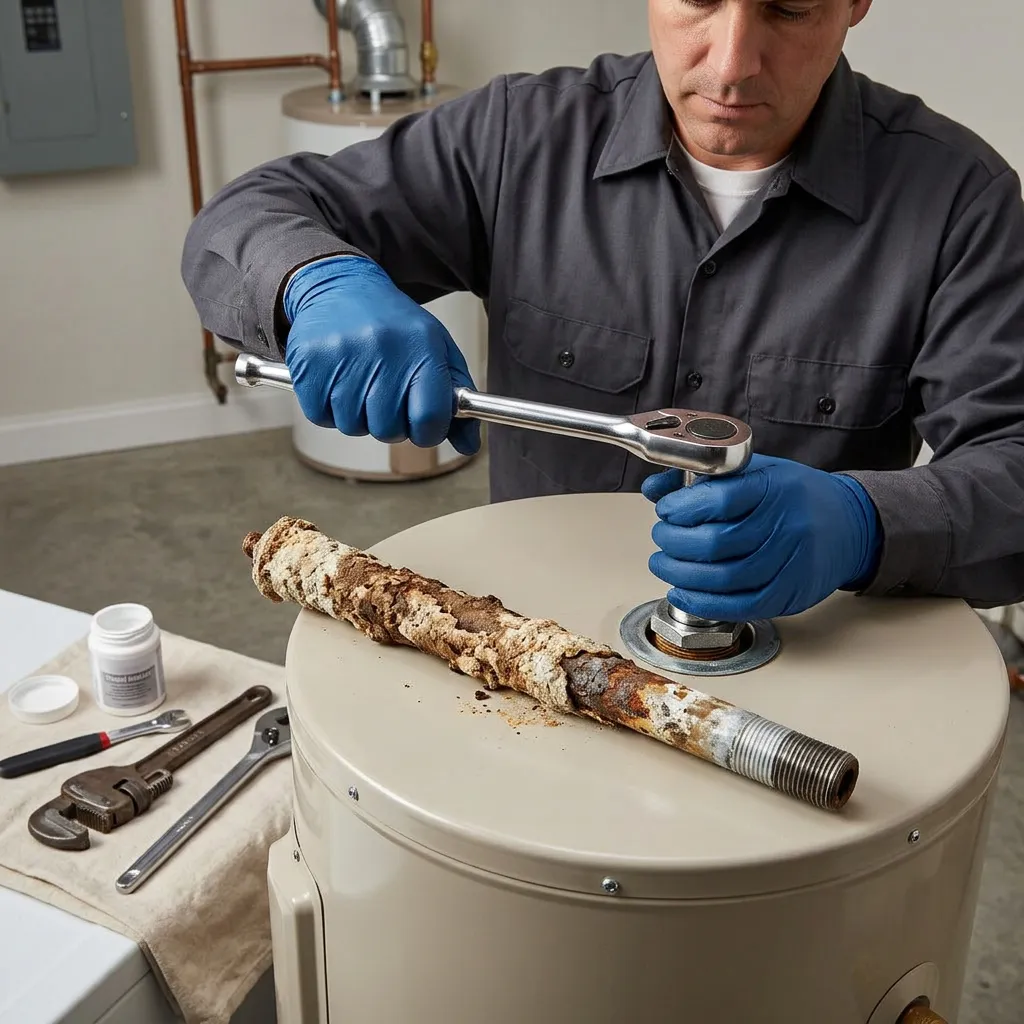
The anode rod is a metal rod inside your tank that sacrifices itself to corrosion so your tank doesn't. It's literally called a "sacrificial anode" — metal heroism at its finest.
These should be checked every 2-3 years and replaced when they're significantly corroded. This one's harder to DIY because it requires a socket wrench and some muscle. Most Santa Cruz homeowners call us for this one, and we don't blame them — those rods can be stubborn.
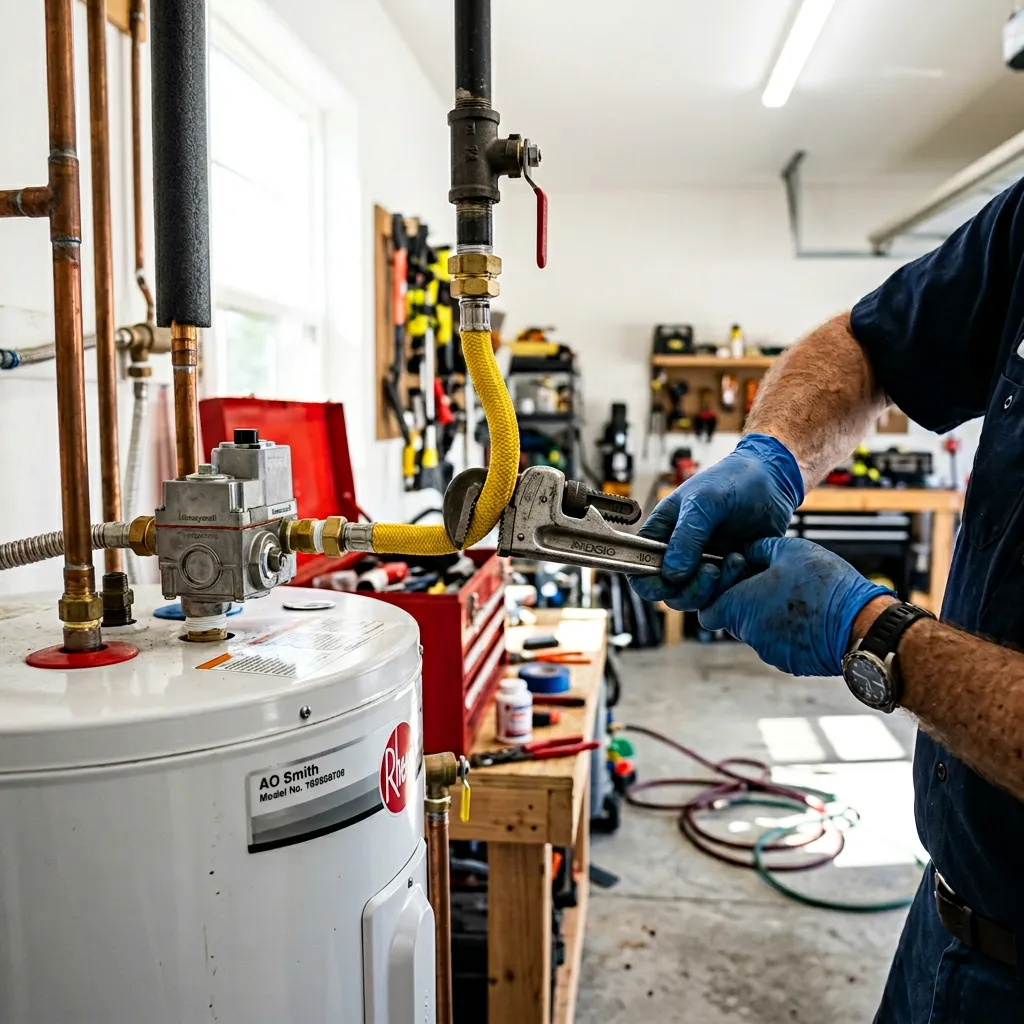
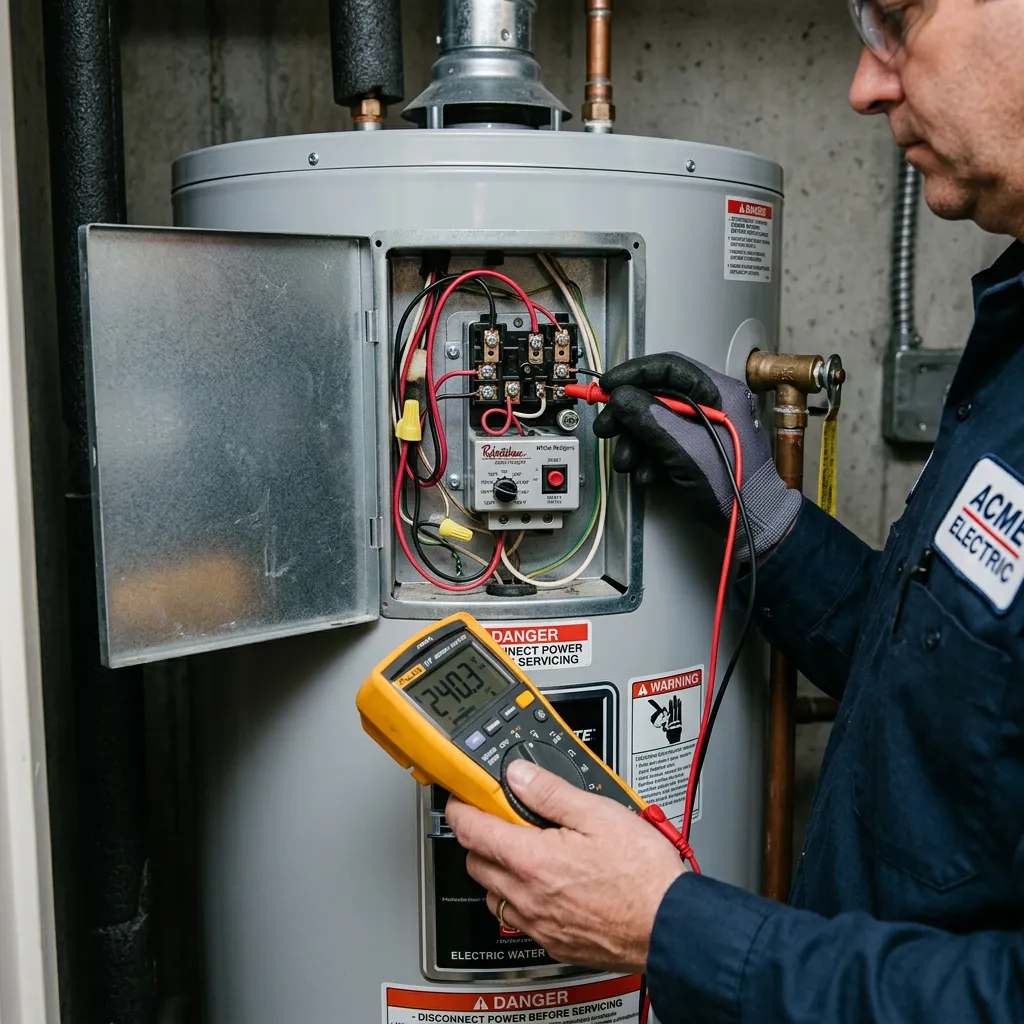
4. Inspect the Burner or Heating Elements (Call a Pro)
For gas water heaters, we check the burner flame (it should be blue and even, not yellow or flickering). For electric units, we test the heating elements for proper resistance.
This is strictly pro territory. Gas + DIY = a combination we don't endorse unless you really know what you're doing.
5. Check the Temperature Setting
Your water heater should be set to 120°F. That's hot enough for comfortable showers and dishwashing, but not so hot that it wastes energy or poses a scalding risk. We find a surprising number of units in Santa Cruz set to 140°F or higher — dialing it back to 120°F can save you 3-5% on your water heating costs.
The Department of Energy recommends 120°F as the sweet spot for safety and efficiency.
6. Insulate the Tank and Pipes
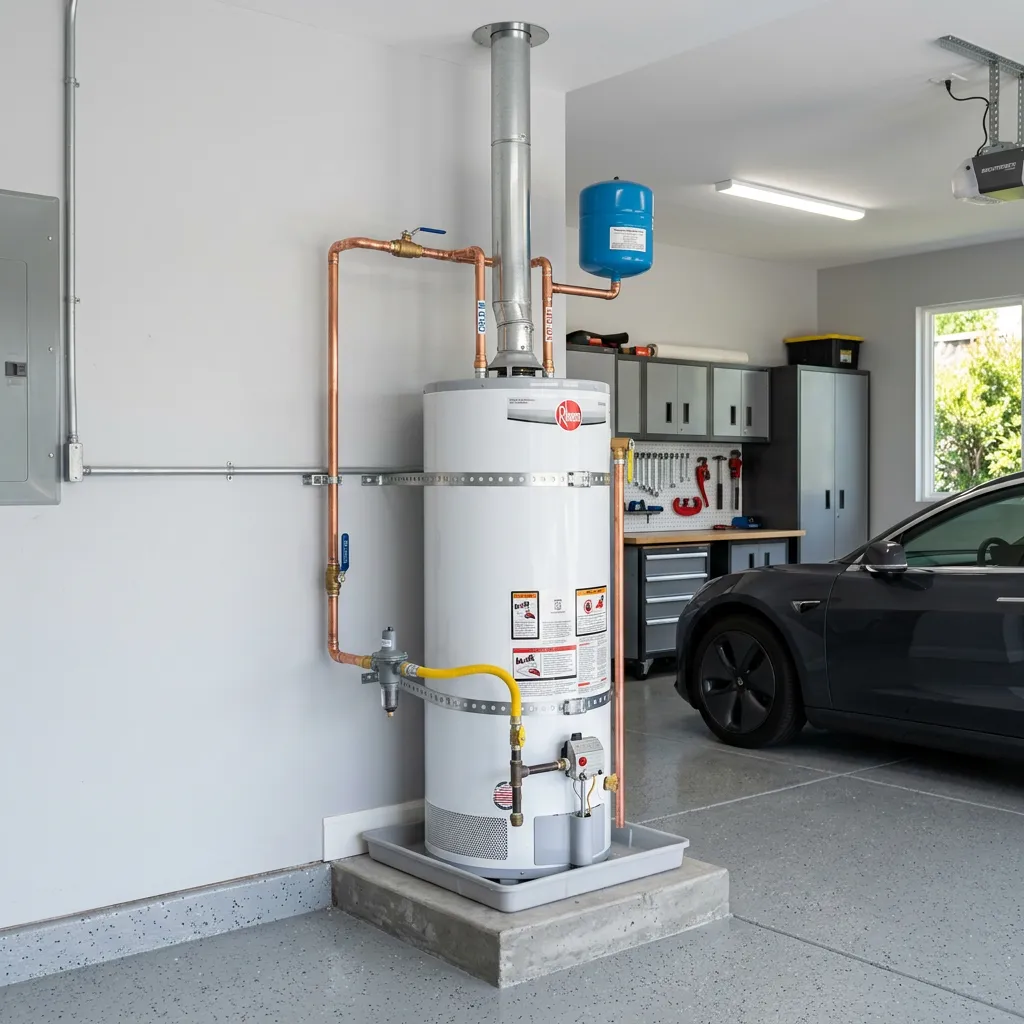
If your water heater lives in an uninsulated garage (very common in Santa Cruz), adding an insulation blanket can reduce heat loss by 25-45%. It's a $30-40 investment that pays for itself in a couple of months.
Similarly, insulating the first 6 feet of hot water pipes coming out of your heater prevents heat loss as the water travels to your faucets. This is especially useful in our cooler coastal mornings when that garage gets chilly.
Santa Cruz-Specific Maintenance Tips
- Coastal corrosion: If you're within a mile of the ocean (Pleasure Point, Santa Cruz Beach, Twin Lakes), check your unit's exterior for rust more frequently. Salt air accelerates corrosion.
- Earthquake straps: California requires seismic straps on all water heaters. Check that yours are secure — earthquakes don't send calendar invites.
- Drainage readiness: Make sure your water heater area has a clear path to a drain or the outdoors. Santa Cruz gets real rain in winter, and a leaking water heater plus poor drainage equals a bad time.
When to Skip DIY and Call Us
Call our repair team if you notice any of these warning signs during maintenance:
- Water pooling around the base of the unit
- Rust-colored water from hot taps
- The T&P valve won't stop dripping after testing
- Strange odors (rotten egg smell = potential bacterial growth)
- Any gas smell whatsoever (leave the house and call PG&E first, then call us)
Set It and (Don't) Forget It
We recommend scheduling your annual maintenance for the same time every year — fall is ideal, right before Santa Cruz's rainy season when you'll be using more hot water. We offer service across all of Santa Cruz County, and a maintenance visit typically takes about an hour.
Call us at (831) 555-0192 to schedule your annual checkup. Think of it as your water heater's annual physical — it's not fun, but it keeps everything running smoothly.